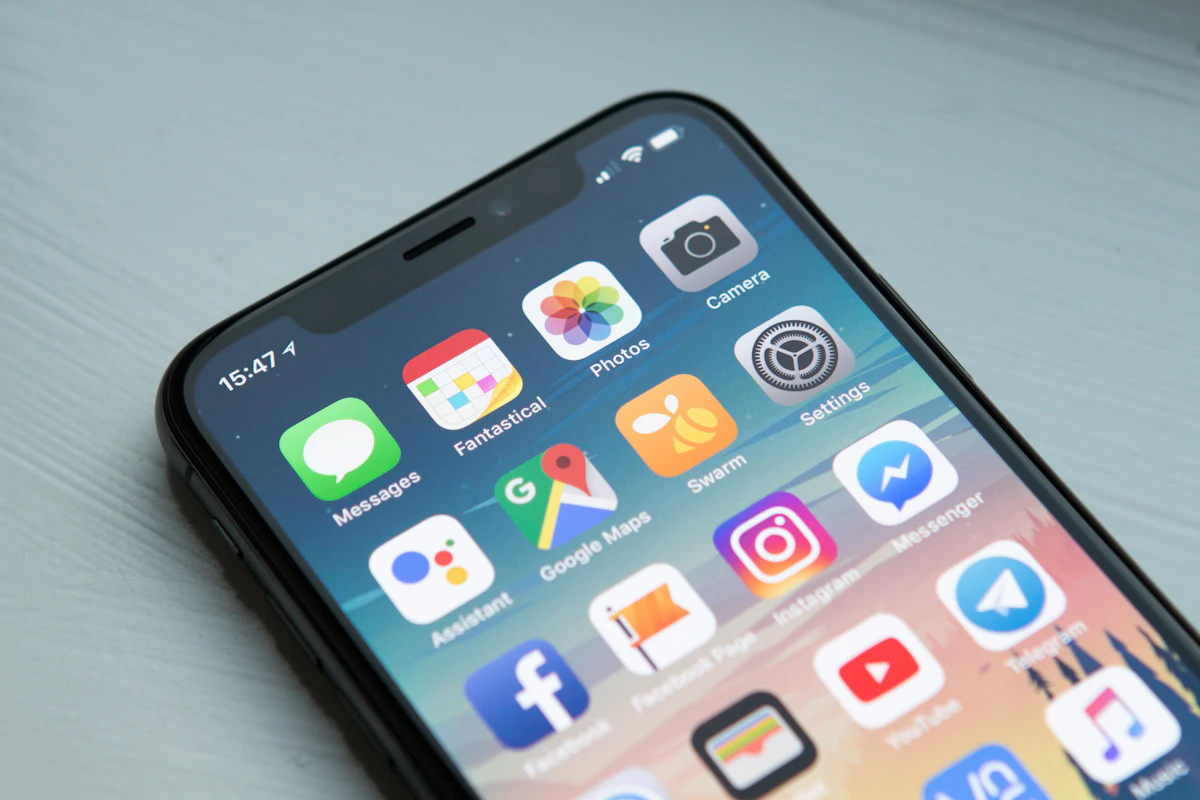
The Rise of Smartphone-First Gambling
Mobile casino gaming in the UK has moved from a niche convenience to the default way players access their favourite games. Ofcom’s 2024 Online Nation report found that 78% of UK adults now own a smartphone, and the Gambling Commission’s latest participation data shows that over 60% of online gambling sessions happen on a mobile device. That shift has forced operators to rethink everything from game design to payment flows.
The result is a market where desktop sites are increasingly seen as secondary. Players expect a full casino lobby, live dealer tables, and instant withdrawals all from a 6-inch screen. This article breaks down the trends driving that change and what they mean for UK players.
1. 5G and Faster Load Times
The rollout of 5G across major UK cities has cut latency dramatically. Games that once stuttered on 4G now load in under two seconds. Operators have responded by building lighter HTML5 games instead of heavy Flash-era downloads. For players, this means smoother live roulette streams and fewer dropped connections during bonus rounds.
2. Native Apps vs. Mobile Web
For years, native apps dominated. Now, progressive web apps (PWAs) are closing the gap. PWAs load instantly, work offline for some features, and don’t require an app store download. UK-focused operators are increasingly using PWAs to bypass Apple’s and Google’s strict gambling app rules, which vary by region.
3. Personalisation and AI-Driven Recommendations
Mobile screens force operators to prioritise. Instead of showing 500 slots, they show the 20 most relevant to your play history. Recommendation engines now analyse session length, bet size, and favourite game providers to surface tailored lobbies. This is especially noticeable in the UK, where players tend to stick to a handful of trusted brands.
4. Instant Banking and Open Banking
UK players have embraced faster payments. Pay by Bank, Open Banking transfers, and e-wallets like PayPal and Skrill now account for a large share of deposits. On mobile, the difference is stark: a deposit that took five minutes on desktop can now be done in three taps. Withdrawal times have also shrunk, with some operators processing under 10 minutes.
5. Live Dealer on the Go
Live dealer games were once desktop-only because of bandwidth demands. Now, mobile-optimised streams from Evolution and Pragmatic Play run smoothly on 4G and 5G. UK players can join a live blackjack table during a commute, complete with real-time chat and HD video. This has made live casino the fastest-growing mobile vertical in the UK.
6. Safer Gambling Tools Built for Mobile
The UK Gambling Commission requires operators to offer deposit limits, time-outs, and self-exclusion. On mobile, these tools are now front and centre, often accessible from the lobby itself. Some apps use push notifications to remind players of session time, a feature that has been shown to reduce extended play.
7. The Rise of Gamified Bonuses
Static welcome bonuses are giving way to gamified promotions. Mobile players can spin a wheel, complete daily missions, or unlock levels. These mechanics borrow from mobile gaming and keep sessions engaging without requiring large deposits. For UK players, this means more frequent, smaller rewards rather than one big lump sum.
What This Means for UK Players
The mobile-first shift is largely positive. Games are faster, banking is smoother, and safer gambling tools are easier to find. The main downside is data usage and battery drain, especially during long live dealer sessions. Using Wi-Fi and a power bank can help.
As the market matures, expect more operators to drop desktop-only features and design exclusively for touchscreens. The UK is already one of the most mobile-forward gambling markets in Europe, and that lead is likely to grow.
Mobile play has grown rapidly, and platforms like gamblezen are adapting their interfaces for smaller screens.